Skip to content

Your Advanced Ocular Surface Disease Center in Murrysville

Struggling with chronic eye discomfort, redness, or blurred vision? Our expert eye care team specializes in the advanced diagnosis and medical management of ocular surface disease, offering personalized treatment plans to relieve symptoms and restore comfort.

Whether you're dealing with severe dry eye, inflammation, or corneal complications, we utilize cutting-edge technology and evidence-based care to improve your eye health and quality of life. Trust us to help you see clearly and comfortably again.
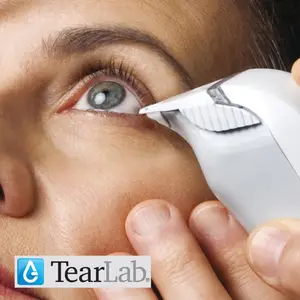
A woman using a TearLab device on her eye.
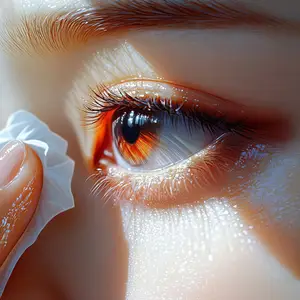
Close-up of a person's eye with a tissue being used to wipe away tears.

What is Ocular Surface Disease, and What Causes It?

Ocular Surface Disease (OSD) refers to a group of conditions that affect the surface of the eye, including the cornea, conjunctiva, and tear film. It often results in symptoms like dryness, irritation, redness, blurry vision, and a gritty sensation.

Common causes include dry eye syndrome, meibomian gland dysfunction, allergic reactions, infections, and autoimmune disorders such as Sjögren's syndrome. Environmental factors like prolonged screen time, low humidity, contact lens wear, and certain medications can also contribute to OSD.

Left untreated, it can impact vision and eye comfort significantly, making early diagnosis and management essential.

Offering the Most Advanced Technology Today for Treatment of OSD

At our clinic, we invest in some of the most advanced eye care technology available today to ensure precise diagnosis and effective treatment. These innovations allow us to detect issues earlier, customize care plans, and monitor progress with exceptional accuracy.

By staying at the forefront of eye care advancements, we help our patients achieve the clearest, most comfortable vision possible—supporting their daily lives with healthier eyes and long-term visual wellness.

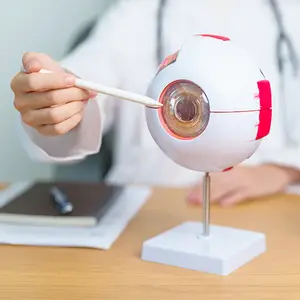
A doctor is using a pen to point to an eye model

In-Depth Tear Gland and Functional Dry Eye Assessment

We offer advanced testing and assessment of tear gland function and dry eyes, using cutting-edge technology such as:

  • Oculus Keratograph 5M

    This advanced imaging tool evaluates tear film quality, meibomian gland health, and corneal irregularities, allowing for comprehensive, non-invasive diagnosis of dry eye and ocular surface disease.

  • TearLab

    Our team uses this technology to measure tear osmolarity—an essential marker of dry eye disease—providing quick, reliable results that help guide targeted treatment and monitor patient response to therapy over time.

  • Inflammadry

    This tool is used to detect elevated MMP-9 levels, a key marker of inflammation in dry eye disease, enabling early intervention and more effective, personalized treatment strategies for managing ocular surface inflammation.

Dry Eye and Aesthetics Treatments

Treatments we offer at our Murrysville eye clinic include:

  • IPL (Intense Pulsed Light)

    IPL therapy uses light pulses to reduce inflammation and improve meibomian gland function in dry eye patients. It also enhances skin tone and texture for aesthetic rejuvenation.

  • Radiofrequency

    Radiofrequency gently heats the eyelid area, stimulating collagen production and unclogging meibomian glands. This improves tear flow and tightens skin, offering both dry eye relief and cosmetic benefits.

  • LipiFlow

    LipiFlow combines heat and gentle pressure to clear blocked meibomian glands. This in-office treatment restores natural oil flow to the tear film, providing lasting relief from evaporative dry eye.

  • BlephEx

    BlephEx is a handheld device that exfoliates the eyelid margins, removing bacteria, biofilm, and debris. It treats blepharitis and enhances overall eyelid hygiene, reducing inflammation and improving tear quality.

  • ZEST

    ZEST (Zocular Eyelid System Treatment) uses a natural okra-based gel to deep-clean eyelids, removing oil, debris, and contaminants. It's gentle yet effective for managing dry eye and eyelid inflammation.

Medical Management of Ocular Surface Disease

We offer the following technologies for superior medical management of your OSD:

  • Amniotic Membranes

    Amniotic membranes promote healing of the ocular surface by reducing inflammation and scarring. Used in moderate to severe cases, they support corneal regeneration and enhance patient comfort during recovery.

  • Punctal Plugs

    Punctal plugs are tiny inserts placed in the tear ducts to retain moisture on the eye's surface. They help relieve dryness by preventing tear drainage, improving hydration and comfort.

  • Rx Drops

    Prescription eye drops, including anti-inflammatories and immunomodulators, target the root causes of ocular surface disease. These medications help reduce symptoms, control inflammation, and support long-term eye health and comfort.

  • Serum Tears

    Serum tears are custom-made eye drops derived from a patient's own blood serum. Rich in growth factors and nutrients, they promote healing and relief in severe dry eye and ocular damage.

  • At-Home Therapies

    At-home treatments like warm compresses, lid scrubs, omega-3 supplements, and humidifiers support daily management of ocular surface disease, helping maintain tear stability and reduce flare-ups between office visits.

Ocular Surface Disease FAQs

Meet our Astigmatism Treatment Doctors

Chris Cakanac
Chris Cakanac O.D.
Randy Cakanac
Randy Cakanac O.D.

Patient Reviews

4.5
191 Reviews
5
4
3
2
1
Janine M. - May 11, 2026
We had a great experience at “Your Family Eye Doctor” because they were friendly and helpful. Very g... ood service!
Joe P. - May 8, 2026
I have been a patient of this office for a few years now. I wear both glasses and contacts. I feel c... onflicted however because I like smaller/more private eye clinics like this vs. major retailers. That being said, I struggle with the pricing. First, let me say that everyone at the office is extremely nice and friendly. The doctor(s) are extremely nice, helpful, and explain things well. Yesterday I went with the intention of altering the type of contacts I wear as I had been wearing Precision 1 (Dailies) for astigmatism,but they simply cost too much. So I wanted to go back to either 2 week disposable or (preferably) monthly disposable. I brought my 3 pairs of Oakley eyeglasses which are all in good shape, I asked to be fitted for monthly contacts as they are one of the cheapest and was told that 2 week disposables would be the best for my situation. I had no problem with the suggestion and we went with Acuvue Oasysis w/hydroglyde. The Dr. also checked my most current pair of Oakley glasses and made an adjustment to the lenses, which, while in the chair, definitely seemed to make a difference. Now comes the confusing part. I hate vision benefits as they don't seem to cover enough for what the price of quality eye products cost---but that certainly isn't the office'e fault. My benefits allow EITHER frames and contacts or lenses and frames per year. But, I wanted to see how much it would be to put the updated prescription of lenses into my most current Oakley frames and use my benefits towards the disposable contacts. My allowance is $130 for disposable contacts. Single vision lenses are paid in full and based on the additives selected (scratch-resistance, polycarbonate, etc, have copays). I was told I would get the best use of my insurance on the lenses and pay out of pocket for my contacts. I was prepared to hear a total between $400-$500 for everything since I was buying 6 months of contacts and was told my Oakleys needed a "thinner" type of lense. The contacts, and whatever I had to pay for the contact lense fitting and evaluation, plus that eye-scanning test that's around $44, was $383.47. Then I heard the total to put the new lenses in my glasses and it would have been somewhere around $240!! I was not prepared to pay roughly $624 so I asked that we simply hold off on the lenses, and use the benefits for my contacts. So I paid $383.47 for contacts with plans to come back in a few weeks to have my lenses put into my glasses. My girlfriend was with me and we were talking and the amount I paid just seemed high. Plus, I didn't receive any type of itemized statement for the services provided, their cost, and what the insurance was to pay. I decided to go to Visionworks in South Hills Village Mall on the way home. I walked into Visionworks, pulled up my current prescription, and told them I simply wanted to see what the cost would be to have the lenses put into the frames. The lady called EyeMed and was told I would be responsible for a $40 copay for polycarbonate, that's it!!! (I didn't think I could get lenses since I just got contacts) but I wasn't going to argue. So, rather than $240 (roughly) for 1 pair of lenses that I was quoted, Visionworks charged me $40 for new lenses put into the same frames. AND, since they were having a buy 1, get 1 50% off, she took my back-up Oakley glasses and I'm getting the new prescription lenses put into THOSE frames also. I walked out of VisionWorks paying $155 for 2 sets of new lenses with polycarbonate and scratch coating rather than paying $240 for 1 set of lenses!!! This makes me wonder if I was way overcharged for my contacts? Today, I asked to have an itemized statement sent to me from Your family Eye Doctors to see the cost per box and with the insurance paying for $130 worth. Again, I have no problem with Your Family Eye Doctors. They are professional, clean, thorough, and have a large selection. My only feeling is that it's a bit pricey as I would have paid about $624 and paid $538 between the two providers (and I'm receiving an extra pair of lenses).

Your Ocular Surface Disease Doctor in Murrysville

Exterior view of our Family Eye Doctors - Murrysville optometry practice.
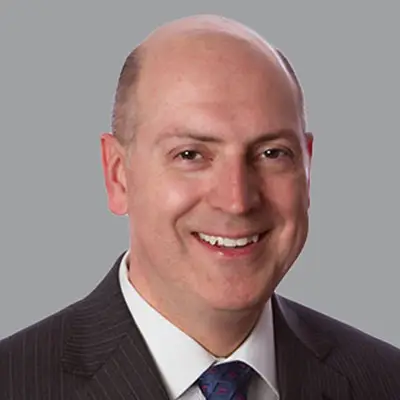
Photograph of Chris Cakanac
Hours
  • Monday 8:00 am - 6:00 pm
  • Tuesday 9:00 am - 7:00 pm
  • Wednesday 8:00 am - 6:00 pm
  • Thursday 8:00 am - 6:00 pm
  • Friday 8:00 am - 4:30 pm
  • Saturday 8:00 am - 12:30 pm
  • Sunday Closed
Insurance Plans
  • Medicare
  • United Healthcare
  • Spectera
  • Medicaid
  • Anthem
  • Anthem Blue Cross Blue Shield
  • Blue Cross
  • MetLife
  • Aetna
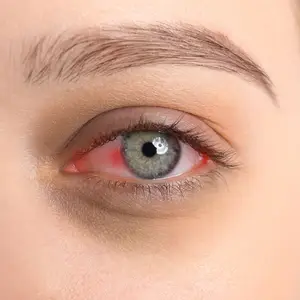
Close-up of a person's eye with a red and irritated sclera.

Ready to see the world more clearly?

Contact us to schedule your eye exam!